
The focus today is shifting from speculation to infrastructure. Instead of “blockchain for blockchain’s sake,” financial firms are exploring how blockchain can support real financial products.
One area gaining attention is real-world asset (RWA) tokenization. This process converts traditional assets such as bonds, funds, or real estate, into digital tokens recorded on blockchain networks.
According to research from Boston Consulting Group, the market for tokenized assets could reach $16 trillion by 2030, reflecting growing interest from financial institutions.
This trend suggests that parts of global finance may gradually shift toward blockchain-based infrastructure. The key question now is whether tokenized RWAs will become a lasting part of the financial system or simply another cycle of market enthusiasm.
What are tokenized RWAs?
For newcomers, RWAs are traditional assets that are represented on blockchain networks. These assets can include real estate, gold, U.S. Treasury bills, or private credit. Through tokenization, ownership of these assets is recorded as digital tokens that can be transferred or traded on-chain.
The idea is simple. Instead of relying on multiple intermediaries, blockchain systems allow assets to move through digital infrastructure. This can enable faster settlement, round-the-clock trading, and fractional ownership.
In practice, this means a large asset such as a property or government bond can be divided into smaller digital shares that can be bought and sold more easily.
Recent data suggests this sector is growing. According to market tracking from RWA.io, the value of tokenized RWAs expanded significantly over the past year as more projects and financial firms experimented with blockchain-based asset issuance.
In addition, based on data compiled by CoinGecko, the total market value of tokenized RWAs has grown rapidly in recent years as institutions experiment with blockchain-based settlement systems. At the time of writing, the market cap stands over $54 billion.
The idea is straightforward: bring real-world financial products onto programmable blockchain networks.
Why is RWA tokenization growing so fast?
Why is tokenization gaining momentum now rather than during the 2021 crypto boom?
The factors below help explain the timing:
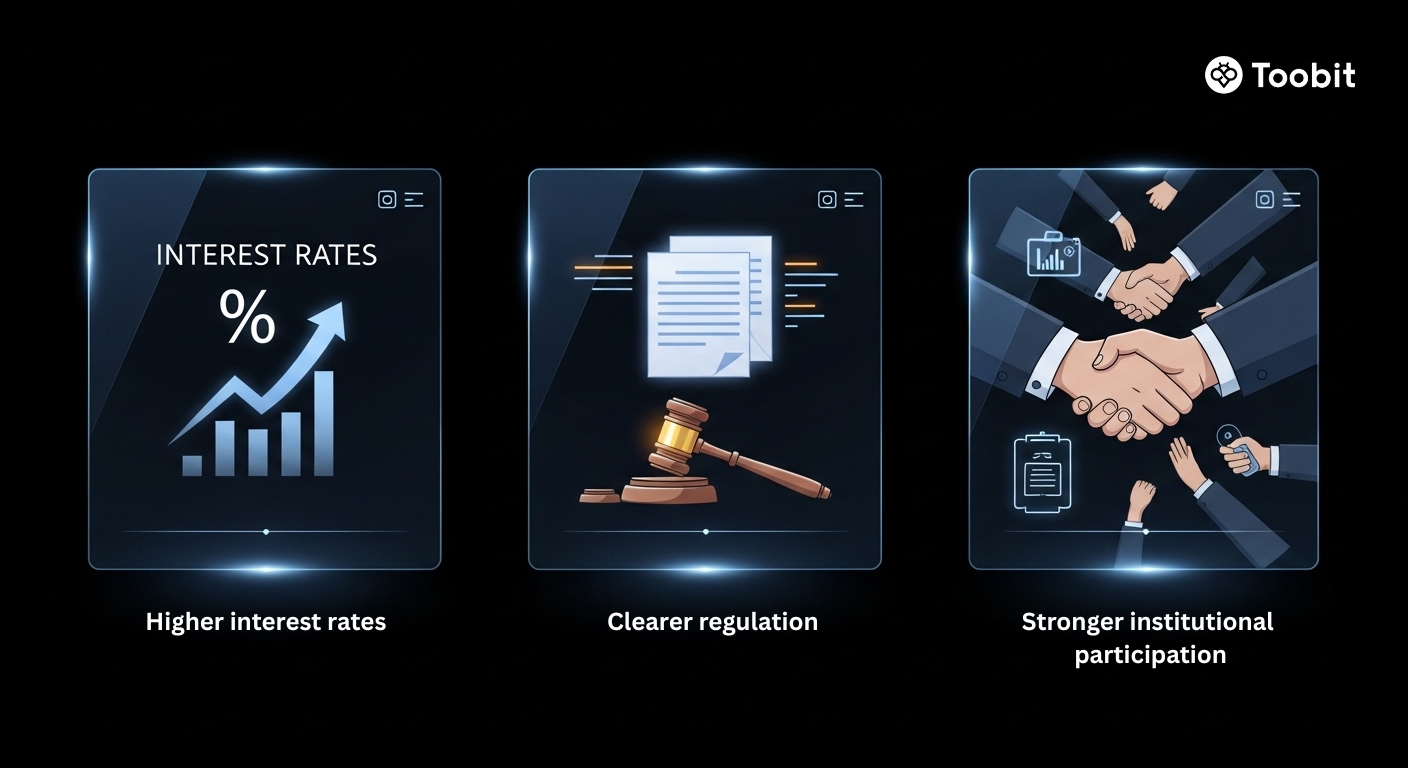
For years, decentralized finance (DeFi) largely operated within its own ecosystem. Crypto assets were often used to trade, lend, or stake other crypto assets. While the system worked, it remained mostly isolated from traditional finance (TradFi) or financial markets.
That dynamic has started to change. Major asset managers such as BlackRock, Franklin Templeton, and Fidelity Investments have launched blockchain-based funds tied to traditional financial products, including U.S. Treasury securities.
These products bring real-world yield into blockchain ecosystems. U.S. Treasury bills are often viewed as a benchmark interest rate in global finance, and tokenizing them allows market participants to access that yield through blockchain-based systems.
The value of tokenized government securities on blockchain networks has grown steadily as institutions test blockchain-based settlement and fund structures.
This trend suggests that some financial institutions are moving beyond experimentation and beginning to build long-term infrastructure using blockchain technology.
Key trends shaping the RWA landscape
The RWA sector in 2026 is no longer a single category. It has expanded into several segments that connect blockchain systems with traditional financial markets.
Sovereign debt and treasury bills
Tokenized government bonds have become one of the first use cases for institutions entering the RWA space. Blockchain-based funds tied to U.S. Treasury bills offer exposure to government-backed debt while using digital settlement systems.
Private credit
Private lending is also moving onto blockchain networks. In some cases, lenders can fund businesses directly through tokenized credit structures rather than relying entirely on traditional banks.
Tokenized commodities
Gold-backed tokens remain a common example of asset tokenization. Tokens such as PAX Gold and Tether Gold represent physical gold held in reserves, allowing users to trade gold exposure on blockchain networks.
Real estate tokenization
Property ownership is another area being tested. Tokenization allows real estate assets to be divided into smaller shares that can be purchased digitally. In some projects, participants can buy fractional exposure to commercial properties without purchasing an entire building.
These developments show how blockchain infrastructure is gradually expanding into traditional asset classes.
So… Is RWA tokenization the next crypto boom?
The growth numbers suggest the sector is gaining traction.
The value of tokenized real-world assets has expanded sharply since 2023 as institutions explore blockchain-based financial products.
There is also an increase in the number of institutional wallets interacting with tokenized treasury products across major blockchain networks.
This shift signals that RWA tokenization is no longer limited to experimental projects.
Large financial firms are now testing the model in production environments.
Challenges still exist
Despite the momentum, the sector still faces hurdles.
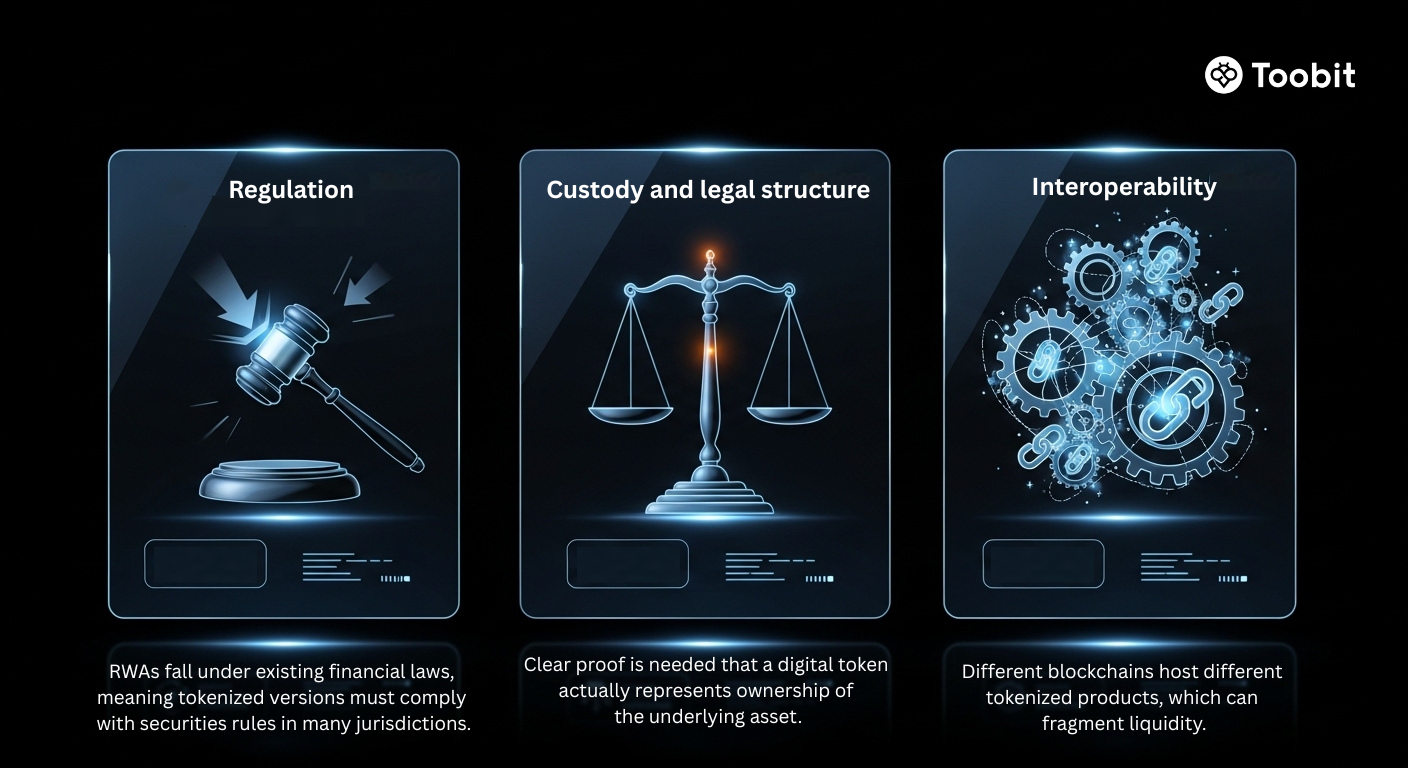
Still, these challenges are typical for early-stage infrastructure.
Many analysts compare the current state of RWA tokenization to the early internet: promising, but still evolving.
Final take: Infrastructure or hype?
Crypto markets move in cycles of hype, but some trends leave lasting infrastructure behind.
Tokenized real-world assets may fall into that second category.
By bringing bonds, funds, and other financial instruments onto blockchain networks, the RWA sector is testing whether decentralized technology can integrate with traditional markets rather than replace them.
If that experiment succeeds, the implications could be significant.
Instead of crypto competing with traditional finance, the two systems may begin to merge.
And if that happens, RWA tokenization might not just be the next crypto trend; it could be the foundation of the next financial system.


