
Algorand market info
24h Low --
24h High --
Live Algorand price today in USD
How much is 1 ALGO worth in ?
About Algorand(ALGO)
Algorand price history
Why does the price of Algorand always fluctuate?
The price of any asset that is traded on an open market, including Algorand, is determined by supply and demand. If more people want to buy Algorand than sell it at a given price, the price will go up. Conversely, if more people are looking to sell Algorand than buy it, the price will go down.
This constant balancing act between the crypto asset's buyers and sellers is the fundamental reason for price fluctuations, which can sometimes happen rapidly in the digital asset space.
What factors affect the performance of Algorand prices?
The performance of Algorand can be influenced by several key elements related to its technology and its community. The ongoing development of Algorand's underlying technology is important, as updates that introduce new features or improve efficiency can generate positive interest. Another notable factor is adoption, which is the rate at which new users begin to hold and use it.
A growing user base, for instance, or an increase in Algorand active wallets, often signals a healthy and expanding network. Furthermore, its practical applications also play an important role. The more useful the cryptoasset is in real-world scenarios, the more its value may be recognized by the community, though it can still gain speculative value in the short-term due to marketing efforts.
Beyond the Algorand ecosystem, broader market trends and public perception also impact its value. General sentiment in the financial markets and news related to digital assets can cause shifts in Algorand price. Major announcements, significant media coverage, or widespread discussion on social media can increase awareness and influence how people feel about Algorand's future. Additionally, regulatory developments from government bodies can affect the entire digital asset space, which in turn can influence its price performance.
Global Algorand prices
How to buy Algorand

Create your free Toobit account
Sign up on Toobit with your email address/mobile phone number and country of residence, and create a strong password to secure your account.

Verify your identity
Complete identity verification by submitting your personal details and a valid photo ID.
Add a payment method and buy Algorand (ALGO)
Add a credit/debit card or bank account after verifying your Toobit account. Use multiple payment options to buy Algorand on Toobit.
Trade ALGO perpetual futures
After signing up on Toobit and buying USDT or ALGO tokens, you can start trading derivatives, including ALGO futures and margin trading to increase your income.
Join ALGO copy trading with lead traders
After signing up on Toobit and successfully buying USDT or ALGO tokens, you can also start copy trading by following Lead Traders.
Where can I buy Algorand?
Buy crypto on the Toobit app
Sign up within minutes to purchase crypto via credit card or bank transfer.
Trade on Toobit
Deposit your cryptocurrencies to Toobit and enjoy high liquidity and low trading fees.
Video section — quick verification, quick trading
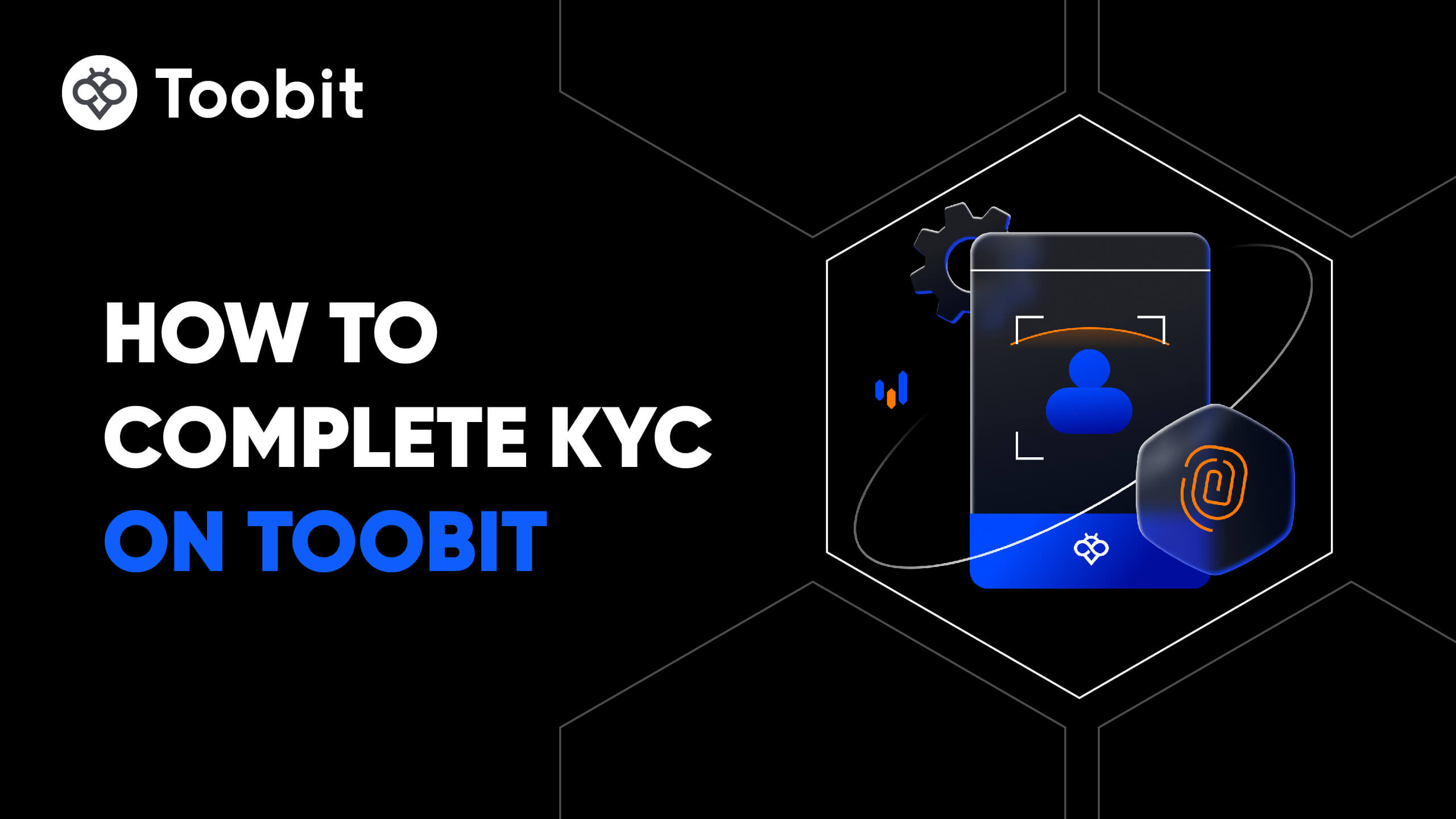
How to complete identification on Toobit and protect yourself from fraud
- 1.Log in to your Toobit account.
- 2.If you're new to Toobit, watch our tutorial on how to create an account.
- 3.Click on the profile icon in the upper right corner of the navigation bar, then tap on Identification page.
FAQ About Algorand (ALGO)
How does Algorand work?
Algorand operates on a permissionless pure proof-of-stake (PoS) blockchain. Unlike proof-of-work systems that depend on computing power, Algorand’s consensus relies on validators who agree on the next block through a two-step process of proposing and voting.Anyone who stakes ALGO and holds a valid participation key can take part in block creation. This inclusive model enhances decentralization while maintaining security. Participants are also rewarded for helping secure and validate the network, encouraging ongoing engagement across its ecosystem.What are the potential use cases for Algorand?
Algorand’s versatility enables it to serve multiple industries and applications. In DeFi, its low fees and fast settlement make it ideal for lending, borrowing, and asset management platforms. Developers can also use Algorand to create stablecoins and tokenize real-world assets, improving liquidity and accessibility in global markets.Beyond finance, Algorand supports supply chain management, ensuring transparency and traceability from origin to delivery. It’s also used to build decentralized applications (dApps) across gaming, real estate, and healthcare. Its carbon-negative design aligns with sustainability goals, appealing to organizations pursuing environmentally responsible blockchain solutions.How does the performance of Algorand price compare against its peers?
Algorand’s price, like most cryptocurrencies, has seen market-driven fluctuations. Over the past year, ALGO declined roughly 70%, mirroring broader crypto market corrections. Despite this, Algorand continues to advance its technology and partnerships, reinforcing its long-term potential.Its ongoing development, expanding ecosystem, and focus on innovation could improve its competitiveness as the market stabilizes. Investors should weigh both short-term volatility and long-term growth strategies when assessing ALGO’s performance against other digital assets.What has been the trend of ALGO price in recent years?
Algorand's native cryptocurrency, ALGO, has a capped supply of 10 billion tokens, generated at the inception of the Algorand network in 2019. A significant portion of these tokens are currently locked up and awaiting distribution.A portion of the ALGO tokens has been designated for the organizations involved in the advancement of the Algorand ecosystem. For instance, 2 billion (20%) of the total token supply was allotted to Algorand Inc., which provides transparent reports on the utilization of these funds. Additionally, 500 million (5%) of ALGO was allocated to the Algorand Foundation, which spearheads the development efforts for the project.There are several pools of ALGO tokens that will be gradually released to users over time. Approximately 2.5 billion ALGO will be auctioned by the Algorand Foundation, with 25 million ALGO already sold during the initial coin offering. Furthermore, 1.9 billion ALGO has been earmarked as rewards for participating in the Algorand network, while around 3.1 billion ALGO will be granted to early adopters running relay nodes.The price of ALGO commenced at $2.19 at its launch in June 2019, but subsequently experienced a decline to as low as $0.19 in August of the same year, based on data from Toobit. Following a resurgence in the cryptocurrency market in 2020, the price of ALGO surged, reaching a peak of $1.71 in February 2020. The all-time high for ALGO's price was achieved in June 2021, reaching $2.37.How many Algorand (ALGO) coins are in circulation?
As of March 7, 2025, there are approximately 7.1 billion ALGO tokens in circulation. The total supply remains capped at 10 billion tokens, which were minted at the genesis of the blockchain. The distribution of these tokens is governed by a predefined emission schedule, with allocations for various purposes, including community incentives, ecosystem development, and team rewards.Investors can monitor ALGO’s supply data and tokenomics through official Algorand explorers and Foundation reports for transparency.What are the key events and management milestones for ALGO?
Algorand was founded in 2017 by Silvio Micali, a Turing Award–winning computer scientist known for inventing pure proof-of-stake. Its mainnet launched in June 2019, raising $60 million in its initial token sale. Prominent venture capital firms such as Union Square Ventures and Pillar Venture Capital have also made strategic investments in Algorand, recognizing its potential in the rapidly evolving cryptocurrency space.In June 2021, fintech firm Six Clovers built a cross-border payments system on Algorand, while Arrington Capital launched a $100 million fund to support Algorand-based projects — signaling growing institutional confidence in the network.What are the benefits of investing in ALGO coin?
Investing in ALGO offers exposure to a fast, secure, and energy-efficient blockchain. Its PPoS consensus provides near-instant finality, low transaction costs, and high scalability, supporting smooth dApp and smart contract execution.Algorand’s growing ecosystem spans CBDCs, DeFi, NFTs, and enterprise solutions, reflecting strong adoption and institutional trust. As a carbon-negative blockchain, it also appeals to sustainability-conscious investors.ALGO holders can stake or participate in governance to earn rewards, combining financial incentives with community-driven influence.How to stake ALGO coin
Staking ALGO allows holders to earn rewards while helping secure the network. The primary method is through the Algorand Governance Program, where users commit tokens for a three-month governance period to vote on proposals and receive staking rewards.Users can also stake ALGO via exchanges like Toobit, which offer flexible yield options without direct governance participation. Some DeFi platforms provide higher-return staking alternatives but may carry greater risk. Before staking, participants should review lock-up terms and reward structures to match their investment goals.What factors influence Algorand’s price movements?
ALGO’s price is shaped by market sentiment, adoption rates, and technological progress. Like most altcoins, it often tracks Bitcoin’s performance, with bullish or bearish trends influencing its direction.Network upgrades, ecosystem expansion, and institutional adoption can boost demand. However, competition, regulatory uncertainty, or changes to staking rewards can exert downward pressure. Monitoring both macroeconomic trends and Algorand’s on-chain growth offers the best insight into future price movements.Why has Algorand’s price surged recently?
Algorand's recent price surge can be attributed to several factors. One primary reason is the increasing adoption of its blockchain technology in various sectors, including decentralized finance (DeFi) and non-fungible tokens (NFTs). As more projects and applications are built on the Algorand network, the demand for its native token, ALGO, rises, leading to upward price pressure. Additionally, strategic partnerships and collaborations have enhanced Algorand's visibility and credibility in the blockchain space, attracting more investors and users.Another contributing factor is the overall positive sentiment in the cryptocurrency market. When major cryptocurrencies like Bitcoin and Ethereum experience price increases, altcoins such as Algorand often follow suit due to correlated market dynamics. Furthermore, technological upgrades and improvements to the Algorand network, such as enhanced scalability and security features, have bolstered investor confidence, making ALGO a more attractive investment option. These combined factors have played a significant role in the recent price appreciation of Algorand.How does Algorand’s price compare to other major cryptocurrencies?
As of March 10, 2025, ALGO trades at around $0.2052, ranking it among the top 50 cryptocurrencies by market capitalization. While far below Bitcoin or Ethereum in price, Algorand’s valuation reflects its broader supply and early-stage potential.Its price history shows volatility common to most altcoins, but its steady technical progress and active development position it as a project with strong long-term fundamentals.What are the near-future price predictions for Algorand?
Forecasts vary widely, but some analysts predict ALGO could reach $0.66–$0.75 by the end of 2025, and possibly around $0.69 by 2050 if adoption continues.These projections are speculative; crypto markets remain highly volatile. Key drivers include network adoption, regulatory developments, and technological upgrades. Investors should use predictions as guides, not guarantees, and diversify their strategies accordingly.What is Algorand governance and why does it matter?
Algorand’s governance framework empowers ALGO holders to shape the network’s evolution through on-chain voting. Participants can propose or vote on protocol changes, ensuring transparency and community influence.In the broader cryptocurrency industry, effective governance is crucial for the sustainability and growth of blockchain networks. It ensures that decisions reflect the collective interests of stakeholders, mitigates risks of centralization, and fosters trust among users and investors. A well-structured governance model can also facilitate timely responses to technological advancements and regulatory changes, maintaining the network's competitiveness and relevance.How does Algorand’s governance differ from other blockchains?
Algorand’s pure proof-of-stake (PPoS) model allows every token holder to participate directly in decision-making, unlike delegated PoS (DPoS) systems where only selected representatives vote, or proof-of-work (PoW) systems, which rely on computational power for consensus. Algorand's approach aims to enhance decentralization and security by allowing widespread participation without requiring significant resources.Additionally, Algorand's on-chain voting mechanism ensures all proposals and results are recorded publicly, providing transparency and immutability. This approach strengthens inclusivity while maintaining efficient governance — something many other networks still struggle to balance.Algorand's model strives to combine the benefits of decentralization with efficient and transparent governance processes.How can ALGO holders participate in governance?
Holders can commit their ALGO during governance periods to earn voting rights. Each vote carries weight proportional to the amount of ALGO staked. Participants can influence major upgrades, policy changes, and protocol improvements while earning governance rewards.To engage in governance, token holders must follow the guidelines and deadlines set by the Algorand Foundation. Participation not only influences the network's direction but also allows token holders to earn rewards, incentivizing active involvement. This participatory model ensures that those invested in the network have a say in its future developments, promoting a decentralized and community-driven ecosystem.What governance challenges does Algorand face?
One of the ongoing governance challenges for Algorand is balancing decentralization with efficient decision-making. As participation grows, managing timely decision-making without over-centralization is increasingly complex.Another issue is adapting the governance model to accommodate evolving regulatory landscapes and technological advancements. The network must remain flexible to integrate new features and comply with changing regulations without compromising anything.Is Algorand (ALGO) a good crypto to buy?
Algorand (ALGO) is considered a strong investment choice due to its unique Pure Proof-of-Stake (PPoS) consensus mechanism, which enables fast, secure, and scalable transactions. Unlike traditional blockchains that suffer from congestion and high fees, Algorand ensures near-instant transaction finality with minimal costs, making it attractive for decentralized finance (DeFi), NFTs, and enterprise applications. The blockchain’s carbon-negative status adds to its appeal for eco-conscious investors.Another key reason why ALGO is worth considering is its increasing adoption and real-world use cases. Governments and financial institutions have utilized Algorand for digital asset tokenization, CBDCs (Central Bank Digital Currencies), and cross-border payments. With continuous network upgrades and strategic partnerships, the demand for ALGO tokens is likely to grow. Like all cryptocurrencies, ALGO’s price remains volatile, so due diligence is essential.Whether you're a beginner or experienced trader, provides a secure and user-friendly platform for buying, trading, and staking ALGO. With competitive fees, deep liquidity, and fast execution, Toobit offers investors reliable access to the Algorand ecosystem. Whether you’re planning to HODL ALGO for the long term or trade it actively, Toobit Exchange is your go-to platform for accessing the Algorand ecosystem with confidence.
ALGO/USD price calculator
Rankings
- Apps
- Google Play
- App Store
- Android APK
- Community


© 2026 Toobit.com. All rights reserved.
