


معلومات سوق Sui
24 ساعة أدنى --
24 ساعة أعلى --
سعر Sui اللحظي اليوم بـ USD
ما قيمة 1 SUI بـ ؟
حول Sui(SUI)
سجل أسعار Sui
لماذا يتقلب سعر Sui دائماً?
سعر أي أصل يتم تداوله في الأسواق المفتوحة، بما في ذلك Sui، يُحدد بحسب العرض والطلب. إذا كان هناك عدد أكبر من الراغبين في شراء Sui أكثر من الذين يعرضونه للبيع عند سعر معين، سيرتفع السعر. أما إذا زاد عدد الراغبين بالبيع عن المشترين، ينخفض السعر
هذا التوازن المستمر بين المشترين والبائعين هو السبب الرئيسي لتقلب الأسعار، والذي قد يحدث بسرعة في سوق الأصول الرقمية.
ما هي العوامل التي تؤثر على أداء أسعار Sui?
يتأثر أداء Sui بعدد من العناصر الرئيسية المرتبطة بتقنيته ومجتمعه. ويكمن الأهمية في التطوير المستمر للتقنية الأساسية لـ Sui، حيث أن التحديثات التي تقدم مزايا جديدة أو تحسن الكفاءة تولد اهتماماً إيجابياً. كما أن التبني، أي بدء مستخدمين جدد باقتنائه واستخدامه، عامل مؤثر هام.
من أمثلة ذلك، نمو عدد المستخدمين أو زيادة عدد المحافظ النشطة لـ Sui، وغالباً ما يشير هذا إلى شبكة صحية ومتنامية. بالإضافة إلى ذلك، تلعب التطبيقات العملية للأصل الرقمي دوراً هاماً. كلما زادت فاعلية العملة الرقمية في الحياة الواقعية، قد تتعزز قيمتها في المجتمع، رغم أنه يمكن أن تحقق قيمة مضاربية قصيرة المدى نتيجة التسويق.
خارج منظومة Sui، تؤثر اتجاهات السوق الأوسع والانطباعات العامة أيضاً على قيمته. تؤدي مشاعر السوق العامة والأخبار المتعلقة بالأصول الرقمية إلى تغيرات في أسعار Sui. كما ترفع الإعلانات الكبرى أو التغطية الإعلامية أو النقاشات الواسعة على وسائل التواصل الاجتماعي الوعي وتؤثر على نظرة الناس لمستقبل Sui. علاوة على ذلك، فإن تطورات السياسات التنظيمية من الجهات الحكومية تؤثر على سوق الأصول الرقمية بالكامل وقد تنعكس على أداء سعره.
أسعار Sui العالمية
كيف تشتري Sui

أنشئ حسابك المجاني على Toobit
سجّل في Toobit باستخدام بريدك الإلكتروني/رقم هاتفك ودولتك، وأنشئ كلمة مرور قوية لحماية حسابك.

قم بتأكيد هويتك
أكمل التحقق من الهوية بتقديم بياناتك الشخصية وصورة هوية سارية.
أضف وسيلة دفع واشتري Sui (SUI)
أضف بطاقة ائتمان/خصم أو حساب بنكي بعد التحقق من حسابك في Toobit. استخدم طرق دفع متعددة لشراء Sui على Toobit.
تداول عقود SUI الآجلة الدائمة
بعد التسجيل وشراء USDT أو رموز SUI على Toobit، يمكنك بدء تداول المشتقات، بما في ذلك عقود SUI الآجلة وتداول الهامش لزيادة دخلك
انضم إلى SUI نسخ التداول مع قادة التداول.
بعد التسجيل في Toobit وشراء USDT أو رموز SUI، يمكنك أيضاً بدء نسخ التداول من خلال متابعة قادة التداول
أين يمكنني شراء Sui?
اشترِ العملات الرقمية عبر تطبيق Toobit
سجّل خلال دقائق لشراء العملات الرقمية عبر البطاقة البنكية أو التحويل البنكي
تداول على Toobit
قم بإيداع عملاتك الرقمية في Toobit وتمتع بسيولة عالية ورسوم تداول منخفضة.
قسم الفيديو — تحقق سريع، تداول سريع
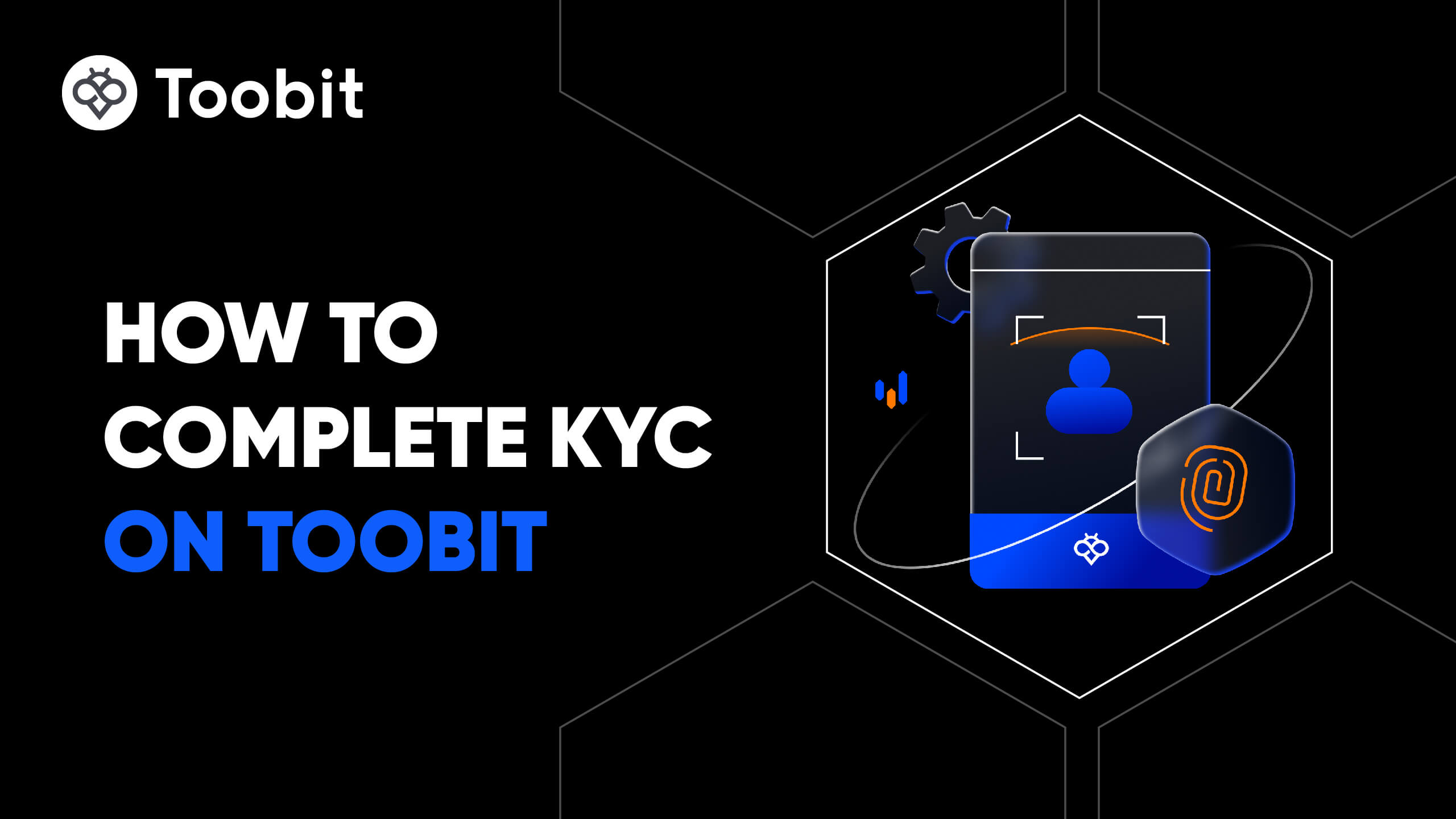
كيفية إكمال التحقق في Toobit وحماية نفسك من الاحتيال
- 1.سجّل للحصول على حساب في Toobit.
- 2.إذا كنت جديداً على Toobit، شاهد دليلنا حول كيفية إنشاء حساب.
- 3.انقر على أيقونة الملف الشخصي في الزاوية اليمنى العليا من شريط التنقل، ثم ادخل إلى صفحة التحقق من الهوية.
FAQ About SUI
How does Sui work?
Sui introduces features such as horizontal scaling, composability, sparse replay, and on-chain storage. Unlike traditional blockchains, it processes transactions in parallel to remove bottlenecks and increase speed. Its object-centric model supports complex data structures, allowing assets to be stored directly within objects for advanced applications. The sparse replay feature lets developers, including game builders, access relevant on-chain data without tracking unrelated transactions, reducing retrieval costs. By storing assets directly as objects instead of through Merkle tree indexing, Sui enables faster and more efficient updates.What are the potential use cases for Sui?
Sui is built for digital assets and high-speed applications. Its object-centric model and on-chain storage make it suitable for managing assets like non-fungible tokens (NFTs). With parallel transaction processing and sub-second finality, Sui supports fast and efficient applications such as gaming and financial services.Developed using the Move programming language, Sui allows developers to build intuitive and accessible apps, helping attract more users to Web3. Its framework improves functionality and usability, positioning Sui as a solid platform for next-generation blockchain development.What is the history of Sui?
Sui was developed by Mysten Labs, a team of former executives and lead architects from Meta’s Novi Research, the group behind the Diem blockchain and the Move programming language. Key members, including Evan Cheng, Adeniyi Abiodun, Sam Blackshear, George Danezis, and Kostas Chalkias, aimed to create a blockchain that improves digital asset ownership and operational efficiency.Since its inception, Sui has continued to enhance its performance and scalability. In August 2022, it adopted the Bullshark consensus algorithm to lower latency and enable validators with less processing power to participate. As Sui moves forward after its mainnet launch, it continues to evolve into a more accessible and capable blockchain platform.What are the key price prediction indicators for Sui (SUI)?
Traders often use moving averages to track SUI’s price trends. A simple moving average (SMA) calculates the average closing price over a specific period, while an exponential moving average (EMA) gives more weight to recent prices for quicker trend recognition. Common time frames include the 50-day, 100-day, and 200-day averages, which help identify key support and resistance levels.Other tools, such as the Relative Strength Index (RSI) and Fibonacci retracement levels, are also used to anticipate possible price movements and market shifts. Combining these indicators gives traders a clearer view of SUI’s price direction in a changing market.How to read Sui (SUI) charts and predict price movements?
Traders often use candlestick charts to study SUI’s price movements, as they show more detail than standard line charts. Each candlestick represents the opening, closing, high, and low prices for a specific time period. Common intervals include 1-hour, 4-hour, 1-day, and weekly charts, useful for both short- and long-term analysis.The candle’s color indicates market sentiment: green (or hollow) means the closing price is higher than the opening (bullish), while red (or filled) means the opposite (bearish). Candlestick charts provide a practical way to observe SUI’s trends and support informed trading decisions.What affects the price of Sui Crypto?
SUI price is influenced by several key factors in the crypto market, including:• Supply and demand: The main driver of SUI’s price, as with most digital assets.• Fundamental events: Protocol upgrades, hard forks, or block reward changes can affect its value.• External factors: Regulations, adoption by institutions or governments, exchange hacks, and broader market events.• Whale activity: Large holders of SUI can create price volatility and impact market sentiment.Is SUI a good investment?
Sui is a Layer-1 blockchain engineered for unrivaled scalability and real-world application performance through its unique object-centric design. This strong technological foundation and its focus on high-throughput sectors like DeFi and Gaming are key factors influencing the SUI price potential.How is the SUI token used in the Sui network?
The SUI token is the native asset of the Sui network and serves several purposes:• Gas fees: Used to pay for transaction execution and computation on the network.• Staking: Holders can stake SUI with validators in the Delegated Proof-of-Stake (DPoS) system to help secure the network and earn rewards.• Storage fund: A portion of gas fees goes into a storage fund to compensate future validators for maintaining on-chain data.• Governance: SUI holders can vote on protocol upgrades and other network decisions.How does Sui handle the security and integrity of transactions?
Sui enforces security across multiple layers to maintain safe and reliable transactions:• Sui Move: Its resource-aware design prevents common smart contract vulnerabilities, such as re-entrancy and asset duplication.• Object ownership: Clear ownership rules simplify transaction validation and reduce the risk of errors.• DPoS and BFT consensus: The combination of Delegated Proof-of-Stake (DPoS) and Byzantine Fault Tolerance (BFT) strengthens network security and helps protect against malicious activity.What fundamental factor determines the primary volatility of the SUI price?
The volatility of the SUI price is primarily determined by the fundamental law of supply and demand on the open market. When the desire to buy Sui exceeds the available supply at a given price, the price will rise; conversely, a surge in selling pressure will drive the price down.According to Toobit's data, what was the highest recorded SUI price (All-Time High)?
The highest recorded SUI price (All-Time High, or ATH) is approximately $5.35 USD, as historically reflected on the Toobit page data. This figure is crucial for investors to benchmark current performance against the historical peak.Beyond supply and demand, what external factors can significantly impact the performance of the SUI price?
External factors influencing the SUI price include broader cryptocurrency market trends, public perception (such as major media coverage), and regulatory developments from government bodies. Additionally, the trading activity of large holders ("whales") can introduce significant short-term volatility.What technical indicators do traders typically use to analyze SUI price trends and predict movements?
Traders often rely on Moving Averages (such as 50-day, 100-day, and 200-day SMAs) to track long-term SUI price trends and identify key support and resistance levels. Other common tools include the Relative Strength Index (RSI) and Fibonacci retracement levels for anticipating market shifts.How does the growth and adoption of the Sui network ecosystem influence the SUI price?
The growth and adoption rate of the Sui ecosystem are critical influencers of the SUI price. Positive signals like increased active wallets, the development of new features, and the growing utility of the SUI token in real-world applications (DeFi, Gaming) are often interpreted as signs of network health and potential future value appreciation.
آلة حساب السعر SUI/USD
الترتيب
- التطبيقات
- Google Play
- App Store
- Android APK
- المجتمع


© 2026 Toobit.com. All rights reserved.
