
معلومات سوق Solana
24 ساعة أدنى --
24 ساعة أعلى --
سعر Solana اللحظي اليوم بـ USD
ما قيمة 1 SOL بـ ؟
حول Solana(SOL)
سجل أسعار Solana
لماذا يتقلب سعر Solana دائماً?
سعر أي أصل يتم تداوله في الأسواق المفتوحة، بما في ذلك Solana، يُحدد بحسب العرض والطلب. إذا كان هناك عدد أكبر من الراغبين في شراء Solana أكثر من الذين يعرضونه للبيع عند سعر معين، سيرتفع السعر. أما إذا زاد عدد الراغبين بالبيع عن المشترين، ينخفض السعر
هذا التوازن المستمر بين المشترين والبائعين هو السبب الرئيسي لتقلب الأسعار، والذي قد يحدث بسرعة في سوق الأصول الرقمية.
ما هي العوامل التي تؤثر على أداء أسعار Solana?
يتأثر أداء Solana بعدد من العناصر الرئيسية المرتبطة بتقنيته ومجتمعه. ويكمن الأهمية في التطوير المستمر للتقنية الأساسية لـ Solana، حيث أن التحديثات التي تقدم مزايا جديدة أو تحسن الكفاءة تولد اهتماماً إيجابياً. كما أن التبني، أي بدء مستخدمين جدد باقتنائه واستخدامه، عامل مؤثر هام.
من أمثلة ذلك، نمو عدد المستخدمين أو زيادة عدد المحافظ النشطة لـ Solana، وغالباً ما يشير هذا إلى شبكة صحية ومتنامية. بالإضافة إلى ذلك، تلعب التطبيقات العملية للأصل الرقمي دوراً هاماً. كلما زادت فاعلية العملة الرقمية في الحياة الواقعية، قد تتعزز قيمتها في المجتمع، رغم أنه يمكن أن تحقق قيمة مضاربية قصيرة المدى نتيجة التسويق.
خارج منظومة Solana، تؤثر اتجاهات السوق الأوسع والانطباعات العامة أيضاً على قيمته. تؤدي مشاعر السوق العامة والأخبار المتعلقة بالأصول الرقمية إلى تغيرات في أسعار Solana. كما ترفع الإعلانات الكبرى أو التغطية الإعلامية أو النقاشات الواسعة على وسائل التواصل الاجتماعي الوعي وتؤثر على نظرة الناس لمستقبل Solana. علاوة على ذلك، فإن تطورات السياسات التنظيمية من الجهات الحكومية تؤثر على سوق الأصول الرقمية بالكامل وقد تنعكس على أداء سعره.
أسعار Solana العالمية
كيف تشتري Solana

أنشئ حسابك المجاني على Toobit
سجّل في Toobit باستخدام بريدك الإلكتروني/رقم هاتفك ودولتك، وأنشئ كلمة مرور قوية لحماية حسابك.

قم بتأكيد هويتك
أكمل التحقق من الهوية بتقديم بياناتك الشخصية وصورة هوية سارية.
أضف وسيلة دفع واشتري Solana (SOL)
أضف بطاقة ائتمان/خصم أو حساب بنكي بعد التحقق من حسابك في Toobit. استخدم طرق دفع متعددة لشراء Solana على Toobit.
تداول عقود SOL الآجلة الدائمة
بعد التسجيل وشراء USDT أو رموز SOL على Toobit، يمكنك بدء تداول المشتقات، بما في ذلك عقود SOL الآجلة وتداول الهامش لزيادة دخلك
انضم إلى SOL نسخ التداول مع قادة التداول.
بعد التسجيل في Toobit وشراء USDT أو رموز SOL، يمكنك أيضاً بدء نسخ التداول من خلال متابعة قادة التداول
أين يمكنني شراء Solana?
اشترِ العملات الرقمية عبر تطبيق Toobit
سجّل خلال دقائق لشراء العملات الرقمية عبر البطاقة البنكية أو التحويل البنكي
تداول على Toobit
قم بإيداع عملاتك الرقمية في Toobit وتمتع بسيولة عالية ورسوم تداول منخفضة.
قسم الفيديو — تحقق سريع، تداول سريع
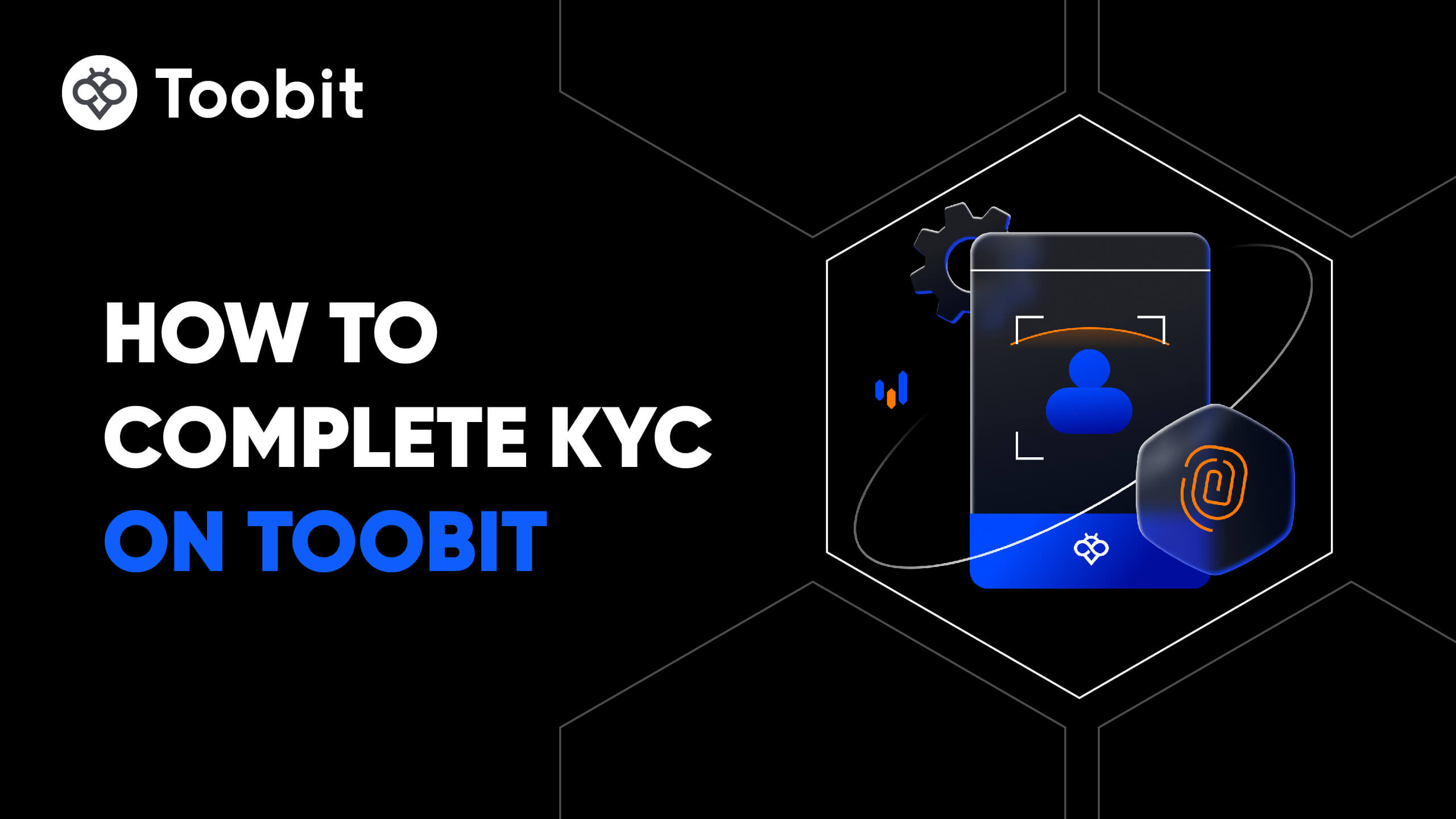
كيفية إكمال التحقق في Toobit وحماية نفسك من الاحتيال
- 1.سجّل للحصول على حساب في Toobit.
- 2.إذا كنت جديداً على Toobit، شاهد دليلنا حول كيفية إنشاء حساب.
- 3.انقر على أيقونة الملف الشخصي في الزاوية اليمنى العليا من شريط التنقل، ثم ادخل إلى صفحة التحقق من الهوية.
FAQ About Solana (SOL)
Is Solana better than Etheruem?
Solana and Ethereum offer similar functions, but the best choice depends on your needs. When comparing them, consider factors like the number of decentralized applications (dApps), transaction speed, and network reliability.Solana is designed for higher throughput and faster transaction processing. It was created to address some of the scalability limits seen in Ethereum and other early blockchain networks.What is Solana (SOL) token distribution?
Solana (SOL) has a token distribution model that shapes its economic structure and decentralization. Understanding how tokens are allocated provides insight into the network's balance between investors, developers, and the community. Based on available sources, Solana's token allocation is:• Community reserve: 38%• Seed sale: 15.86%• Founding sale: 12.63%• Validator sale: 5.07%• Strategic sale: 1.84%• Public auction sale: 1.60%• Team: 12.50%• Solana Foundation: 10.46% These allocations involve key stakeholders such as developers, validators, investors, and the community, supporting a decentralized and sustainable ecosystem.How does the Solana network design work?
Solana's network is designed for high throughput and low latency while keeping decentralization. It uses a system of Leaders and Verifiers, each with a specific role in maintaining speed and consistency.• At any time, one node is designated as the Leader, responsible for ordering transactions, verifying time, and ensuring consistency across the network. • The Leader organizes user messages so other nodes can process them efficiently. • Verifier nodes execute transactions on their own copies of the network state and publish signatures as confirmations to reach consensus. • Verifiers have the same hardware capabilities as Leaders and can be elected as future Leaders through Solana's Proof-of-Stake (PoS) system. • In case of a network partition, Solana prioritizes consistency over availability, following the CAP Theorem. This setup allows Solana to process thousands of transactions per second while maintaining network security and consistency.How many Solana (SOL) coins are in circulation?
As of the latest data, Solana (SOL) has a circulating supply of about 446,926,579 coins.Earlier, the circulating supply was around 354,913,715 SOL, representing roughly 67% of the total supply, with about 407.5 million tokens (77%) staked at that time.The increase in circulating supply reflects ongoing token releases and network growth.What is SOL and how does it differ from other cryptocurrencies?
SOL is the native cryptocurrency of the Solana blockchain, a decentralized platform designed for scalable applications.Solana uses a Proof-of-History (PoH) consensus mechanism combined with Proof-of-Stake (PoS) to achieve fast transaction speeds and low fees. This setup allows the network to process thousands of transactions per second while keeping security and decentralization.What is SOL/USDT and how does it work?
The SOL/USDT trading pair shows the exchange rate between Solana (SOL) and Tether (USDT) on cryptocurrency platforms.USDT is a stablecoin pegged to the US dollar, giving traders a dollar-equivalent reference. This lets users buy, sell, or trade SOL without converting directly to fiat currency.Trading SOL/USDT allows investors to track Solana’s price against the US dollar while managing volatility with a stable trading pair.What are the advantages of trading SOL/USDT?
Trading SOL/USDT offers several advantages for cryptocurrency traders: • Stability: USDT is pegged to the US dollar, providing a stable base and reducing exposure to market volatility. • Liquidity: SOL/USDT usually has high liquidity since USDT is widely used across major exchanges, making trades faster and easier. • Ease of trading: Using USDT removes the need to convert between crypto and fiat, making it simpler to enter or exit positions. Overall, the SOL/USDT pair lets traders follow Solana’s price movements while keeping flexibility and stability in the crypto market.How can traders analyze SOL/USDT for potential trading opportunities?
Traders can analyze the SOL/USDT trading pair using both technical and fundamental analysis.• Technical analysis: Tools like moving averages, RSI (Relative Strength Index), MACD (Moving Average Convergence Divergence), and Bollinger Bands can help identify trends, momentum, and potential entry or exit points. • Fundamental analysis: Looking at Solana’s technology updates, ecosystem growth, partnerships, and community sentiment can provide insight into its long-term value and market potential. Combining both approaches helps traders make informed decisions and find trading opportunities in the SOL/USDT market.What factors can impact the price of SOL to USDT?
Several factors can affect the SOL/USDT price:• Market demand and investor sentiment: Changes in buying interest or confidence in the crypto market can cause price swings. • Technological developments and network upgrades: Improvements to the Solana blockchain, such as performance updates or new features, can influence investor confidence. • Regulatory developments: Laws and regulations affecting cryptocurrencies can impact trading and market perception. • Macroeconomic trends: Broader financial trends, like interest rate changes or shifts in global liquidity, may affect crypto prices. • Market volatility: General movements in the crypto market can affect SOL’s short-term price. Traders should watch these factors to anticipate price changes and adjust their trading strategies for SOL/USDT.What are some tips for traders looking to trade SOL/USDT?
Traders looking to trade the SOL/USDT pair can improve their results by following some key practices:• Do your research: Understand Solana (SOL) and Tether (USDT), including their fundamentals and market behavior. • Set clear goals: Define your trading objectives and risk limits before entering any position. • Use risk management: Tools like stop-loss orders can help limit losses and protect profits. • Stay informed: Follow market news, technological updates, and regulatory changes that could affect Solana’s price. • Avoid emotional decisions: Keep discipline and avoid impulsive trades in volatile markets. • Diversify: Spread investments across different assets to reduce risk. Combining research, planning, and emotional control can help traders navigate the SOL/USDT market more effectively.How does Solana's scalability compare to Ethereum and other Layer 1 blockchains?
Solana is a Layer 1 blockchain designed with scalability in its core architecture. While Ethereum (post-Merge) uses Proof-of-Stake (PoS) and relies on Layer 2 solutions to handle higher transaction volumes, Solana achieves scalability at the base layer.By using Proof-of-History (PoH) and parallel transaction processing, Solana can handle thousands of transactions per second with fast finality and low fees. This makes it suitable for decentralized applications (dApps) and real-time use cases.Is Solana truly decentralized and secure?
Yes, Solana is decentralized and secure. It uses Proof-of-Stake (PoS) and Proof-of-History (PoH) to protect the network and maintain integrity.Validators stake SOL tokens to take part in consensus and validate transactions. This system ensures security because attacking the network would require controlling a large amount of staked SOL, making it economically unfeasible.Solana’s decentralization grows as more independent validators join worldwide, improving network resilience and trust.What is the role of SOL in the Solana ecosystem?
The SOL token is the native cryptocurrency of the Solana network and has several functions within the ecosystem:• Staking: Users can stake SOL with validators to help secure the network and earn rewards. • Transaction fees: SOL is used to pay fees for transactions and smart contract interactions. • Governance: SOL holders can vote on network upgrades, decentralized finance (DeFi) protocol changes, and non-fungible token (NFT)-related proposals on Solana.These roles allow SOL to support the Solana network, ensuring security and community participation.What is the long-term vision for the Solana network?
The long-term goal of the Solana network is to provide a scalable, decentralized platform for a global digital ecosystem. Solana aims to support large-scale applications, such as social media or gaming platforms with millions of users, while maintaining speed, security, and decentralization. Ultimately, Solana seeks to be a core infrastructure layer for Web3, allowing developers and users to build and interact on-chain.What are the key utilities of SOL in the Solana ecosystem?
The SOL token serves several key roles within the Solana ecosystem beyond being a speculative asset:• Staking: Validators and delegators stake SOL under the Proof-of-Stake (PoS) system to help secure the network and take part in governance. • Transaction fees: SOL is used to pay for on-chain activities, including transactions and smart contract execution, similar to gas fees on other blockchains. • Inflation rewards: Solana’s protocol includes an inflation schedule that rewards validators for their work, supporting the network’s long-term economic security. These functions help SOL maintain the network’s stability, security, and overall operation.What factors influence the short-term volatility of the SOL Price?
Solana Price can swing significantly due to large trader orders (whales), market sentiment shifts, major global macroeconomic events, or sudden changes in liquidity. Because SOL is traded worldwide 24/7, even a single large transaction can move the Solana Price rapidly — especially when trading volume is lower.How is the Solana Price on Toobit determined compared to other exchanges?
The Solana Price reflects the most recent trades on Toobit’s order book; differences may appear compared with other exchanges due to variation in liquidity, trade volume, and timing. Even though actual circulating supply (e.g. ~376,440,758 SOL as indicated on network stats) stays constant at a moment in time, the displayed Solana Price may vary slightly across platforms.Does the Solana Price shown include transaction fees or network burn effects?
No, the SOL Price reflects the market value of 1 SOL token, but does not automatically account for network-level mechanics like transaction fee burns. Network fees and burn activity may influence long-term value, but they are separate from the instant market SOL Price.Does Solana have a fixed maximum supply, and how does that affect SOL Price?
Solana does not have a strictly capped maximum supply. The network documentation shows a “Total Supply” (e.g. 539,312,705 SOL) and a circulating supply (e.g. 376,440,758 SOL), but the max supply is unspecified.Can network activity (e.g. staking or transaction volume) affect the Solana Price?
Yes. Higher network activity can increase demand for SOL (for gas fees, staking, or participation in dApps), which can push the SOL Price upward. Conversely, reductions in activity or utility may dampen demand, which may negatively impact the Solana Price over time.How do large SOL unlocks or supply inflation impact Solana Price?
Large token unlocks or new issuance increase the number of liquid SOL tokens available for sale, which may temporarily increase supply pressure — potentially lowering the SOL Price, unless demand increases proportionally. Because Solana’s supply is not fixed, supply-side events are more relevant to its price dynamics than with fixed-supply cryptocurrencies.Can I use the displayed SOL Price to estimate the value of my holdings in other currencies (e.g. EUR, JPY)?
Yes, but only if you convert the USD-denominated SOL Price using the current exchange rate for your fiat currency. The quoted Solana Price shows value per SOL in USD; for accurate conversion you must apply a separate currency exchange rate.Why does the Solana Price sometimes move even when network activity seems stable?
Because SOL Price is driven not only by network usage but by broader supply–demand dynamics, macroeconomic news, and investors’ sentiment. Even when network metrics are stable, external factors like global economic conditions, regulation, or large trades can move the price up or down.Why Does the SOL Price Change So Rapidly Throughout the Day?
The SOL Price fluctuates constantly because Solana trades globally 24/7 without a market close. Every buy and sell order impacts real-time supply and demand. Since Solana has no fixed maximum supply and a circulating supply of roughly 440+ million SOL, price movements are driven primarily by market sentiment, liquidity, and network demand — not strict scarcity.What Are the Main Long-Term Drivers Behind Solana Price Growth?
Long-term Solana Price trends depend on:Growth of Solana DeFi and NFT ecosystemsAdoption of Solana-based applicationsNetwork upgrades and performance improvementsStaking participationOverall crypto market cyclesBecause Solana’s total supply is inflationary and uncapped, long-term SOL Price appreciation relies more on usage growth and demand expansion than on fixed supply scarcity. Current circulating supply remains around 440+ million SOL.What Is the Difference Between SOL Price and Solana Market Capitalization?
SOL Price = value of 1 SOL tokenMarket Capitalization = SOL Price × circulating supplyBecause Solana’s circulating supply is ~440+ million SOL and changes over time, market capitalization fluctuates due to both SOL Price changes and ongoing token issuance.Does Solana Have a Fixed Maximum Supply Like Bitcoin?
No. Solana does not have a fixed maximum supply. New SOL is continuously issued through staking rewards. As a result, the Solana Price is influenced by the balance between network demand and inflation rather than by hard-capped scarcity. The current circulating supply is approximately 440+ million SOL and gradually increases over time.How Does Staking Affect the SOL Price?
When users stake SOL, those tokens are temporarily removed from liquid circulation, reducing near-term sell pressure. This can help support higher SOL Price levels during periods of strong demand. However, staking rewards also introduce new SOL into circulation, meaning Solana remains inflationary with ~440+ million SOL circulating.Why Does the Solana Price Sometimes Drop Sharply During Market Stress?
Sharp SOL Price drops are often triggered by:Large leveraged liquidationsWhale sell-offsExchange outagesRegulatory headlinesBroader macroeconomic shocksThese short-term drops do not alter Solana’s uncapped supply structure, which continues to expand gradually beyond the current ~440+ million SOL.How Does Network Activity Influence the Solana Price?
High network usage increases demand for SOL for:Transaction feesSmart contract executionDeFi liquidityNFT tradingRising demand paired with temporarily locked staking supply can boost SOL Price even though Solana does not have a fixed supply limit. Circulating supply still remains around 440+ million SOL.Why Does the SOL Price Sometimes Move Independently from Bitcoin?
While often correlated with Bitcoin, Solana Price can decouple due to:DeFi or NFT activity surgesLayer-1 network competition shiftsEcosystem funding and builder growthMajor Solana upgradesBecause Solana has an inflationary supply (~440+ million SOL and rising) instead of a fixed cap like Bitcoin, its valuation model reacts differently to adoption cycles.How Do Token Unlocks and Inflation Impact Solana Price?
New SOL issuance from staking rewards increases total circulating supply, which may add gradual sell pressure. Large unlock events can temporarily weigh on the SOL Price unless market demand increases proportionally. This is a key difference compared with fixed-supply assets, given Solana’s uncapped supply and ~440+ million circulating SOL.Does Solana Burn Tokens Like Ethereum?
Solana does not use a large-scale burn mechanism like Ethereum’s EIP-1559. Instead, transaction fees are collected and partially redistributed. As a result, Solana remains net inflationary, meaning its Solana Price is influenced more by demand growth than by deflationary supply reduction. Circulating supply continues rising beyond ~440+ million SOL.Why Does SOL Price Spike During NFT or Meme Coin Booms on Solana?
NFT and meme coin surges increase:Transaction demandNetwork congestionSOL usage for gas and tradingNew user inflowsThis creates sudden buying pressure, which can cause rapid SOL Price spikes even though Solana’s long-term supply remains uncapped with ~440+ million SOL circulating.Is SOL Price More Sensitive to Network Performance Than Other Layer-1s?
Yes. Because Solana markets itself on high throughput and low fees, any performance issues, outages, or congestion can directly affect confidence and short-term Solana Price. Supply remains inflationary at ~440+ million SOL, but network reliability strongly influences demand.Can Solana Price Be Sustained Long-Term Without a Fixed Supply Cap?
Yes, but only if network adoption outpaces token inflation. As long as:DeFi usage growsNFTs remain activeInstitutional adoption expandsGaming and payment use cases increaseThen demand can exceed supply growth, supporting long-term SOL Price appreciation even with no fixed max supply and ~440+ million SOL in circulation.Is the Solana Price Still Undervalued Relative to Ecosystem Growth?
Many long-term investors believe Solana Price may still be undervalued due to:Rapid developer growthExpanding DeFi liquidityStrong NFT and gaming adoptionHigh transaction throughput at low costEven though Solana is inflationary with ~440+ million SOL circulating, accelerating utility and user growth remain the core drivers of long-term valuation.
آلة حساب السعر SOL/USD
الترتيب
- التطبيقات
- Google Play
- App Store
- Android APK
- المجتمع


© 2026 Toobit.com. All rights reserved.
